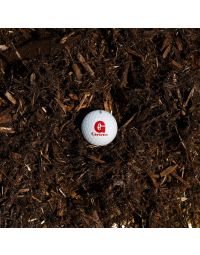
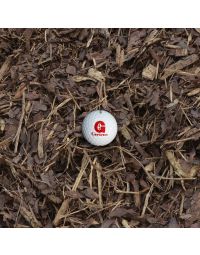
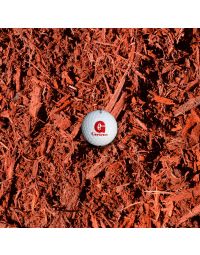
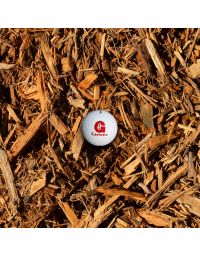
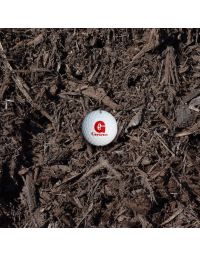
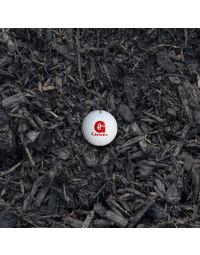
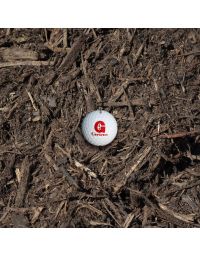
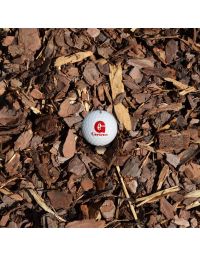
Mulch does much more than give your landscape a polished, finished appearance. From rich reds and warm mahogany tones to natural browns and contemporary grays, mulch enhances the beauty of your garden while providing year-round benefits for your plants and soil. Whether you're refreshing existing landscape beds or planting new trees, shrubs and perennials, adding a fresh layer of mulch is one of the simplest ways to improve plant health, reduce maintenance and create a landscape that looks its best all season long.
Why Add Mulch?
- Soil Health: Mulch helps soils retain moisture longer. In the middle of our hot Minnesota summers, retaining moisture is critical for plant growth and health. In addition to moisture retention, mulch helps regulate soil temperatures, providing plants a break in the heat of the summer. Mulch also helps soils stabilize and prevents erosion. Lastly it helps suppress soilborne diseases.
- Prevents Weeds: Adding mulch to your garden beds does wonders to suppress weed growth. Putting new mulch down in your garden in mid to late spring or mid to late fall, is recommended for the best weed suppression.
- Helps Trees & Evergreens: Adding mulch to trees (especially newly planted trees and evergreens) is ideal for health. Much like other plants, trees benefit from mulches ability to retain soil moisture, prevent competition plants for growing (weeds), and cool soil temperatures. When mulching new trees and evergreens, it is very important to create a “mulch Doughnut” rather than a “mulch volcano.” To mulch trees correctly, it is important to make sure that NO mulch is touching the root flare or bark of the tree (keep 3-6” away). Mulch piled against the trunk of a tree is typically called a “mulch volcano” and can cause significant tree harm over time. The “mulch doughnut” method involves piling mulch around the base of the tree, creating a donut-like shape. This works best for the tree retaining moisture and avoiding the problems that come with “mulch volcanoes.”
- Protects Plants: For plants that are sensitive to our intense Minnesota winters, adding additional much near the base of perennial plants and trees is ideal to protect and insulate the roots. For zone 5 plants we recommend heavily mulching in fall to prevent winter dieback.
- Adds Nutrients Over Time: Organic mulches such as shredded hardwood, bark and compost gradually break down, adding valuable organic matter back into the soil. This improves soil structure, encourages beneficial microorganisms and earthworms, and creates healthier growing conditions for plants year after year.
- Reduces Watering: A 2-3 inch layer of mulch slows evaporation from the soil, helping gardens stay moist longer between waterings. This not only saves time but also conserves water during dry summer months.
- Keeps Landscapes Looking Fresh: A fresh layer of mulch instantly gives planting beds a clean, finished appearance. It creates contrast with flowers, shrubs and trees, making colors stand out while giving your landscape a well-maintained look.
- Protects Plant Roots from Mowers & Trimmers: Mulch creates a protective buffer around trees and shrubs, reducing the chance of accidental damage from lawn mowers and string trimmers. Preventing bark injuries helps trees stay healthier and less susceptible to insects and disease.
- Improves Drainage & Reduces Soil Compaction: Mulch softens the impact of heavy rainfall, allowing water to soak into the soil more evenly instead of washing away valuable topsoil. It also helps reduce soil compaction caused by rain and foot traffic, allowing roots to access oxygen more easily.
- Supports Pollinators & Beneficial Insects: Natural wood mulches create habitat for beneficial insects and soil organisms that contribute to a healthy garden ecosystem. These organisms help decompose organic matter, improve soil fertility and support healthy plant growth.
- Reduces Soil Splash: During rain or watering, mulch prevents soil from splashing onto leaves, flowers and vegetables. This helps keep plants cleaner and can reduce the spread of certain soil-borne diseases.
- Refresh Every Year: Mulch naturally decomposes over time, so replenishing it annually helps maintain its appearance and benefits. Aim for a total depth of 2-3 inches—adding more only as needed to avoid over-mulching.
So, whether you're refreshing existing landscape beds or planting something new, mulch is one of the easiest and most effective investments you can make in your landscape. From conserving moisture and suppressing weeds to protecting plant roots and improving soil health, a fresh layer of mulch delivers benefits that last all season long. With a variety of colors and textures available, it's also an easy way to instantly boost your home's curb appeal. Stop by Gertens to explore our selection of premium mulches and find the perfect option to keep your landscape healthy, beautiful and thriving.
Browse our selection of Premium Mulches from Green Loon, at Spikes & Houles.